Table Of Content

Hair growth is heavily influenced by hormones, and a decrease in estrogen and progesterone can lead to slower hair growth and thinner strands. Additionally, menopause causes an increase in androgens, a group of male hormones, which can shrink hair follicles, leading to hair loss. Yup, your hair is among the many things your hormones can alter during both the perimenopausal and post-menopausal years.
Eat a balanced diet
The Act + Acre Stem Cell Serum is formulated with apple stem cells to keep the scalp youthful, healthy and as calm as possible – it’s a great formula to help support the scalp if you do choose to use minoxidil. “Other treatments to try include red light therapy, which is amazing, and in-clinic microneedling – especially when paired with growth factor serums, which can help stimulate hair growth,” says Reavey. It occurs due to a change in hormone levels – specifically, lower levels of oestrogen and progesterone, both of which help hair grow thick and strong. As these hormones drop, the body stimulates production of male hormones, like androgens, which can shrink hair follicles. The Act + Acre Stem Cell Serum is formulated with apple stem cells to keep the scalp youthful, healthy, and as calm as possible—it’s a great formula to help support the scalp if you do choose to use minoxidil.

Essential guides
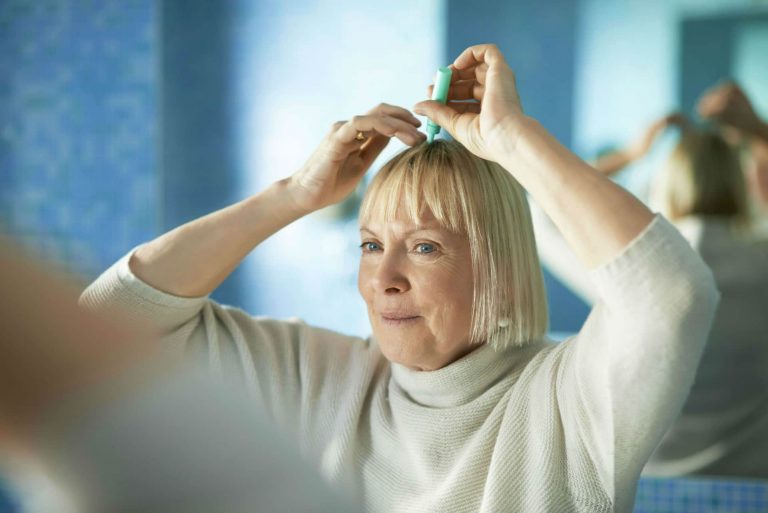
There are plenty of foods that can help support healthy hormones as well as ones to consider limiting. In general, work on crafting balanced plates of whole and natural foods when possible. You can prevent hair loss caused by chemical hair treatments by not using them. You might be able to prevent some hair loss by eating nutritious foods that provide necessary nutrients (like vitamins, minerals and protein) or adding vitamins to your daily routine.
How to Treat Menopausal Hair Loss, According to a Trichologist
Menopause & Hair Loss: Prevention & Hair Growth Tips mindbodygreen - mindbodygreen
Menopause & Hair Loss: Prevention & Hair Growth Tips mindbodygreen.
Posted: Thu, 29 Feb 2024 08:00:00 GMT [source]
The most common cause of alopecia is an inherited condition called male- or female-pattern hair loss. "I look at a woman's stress levels, changes in hormone treatment, chronic illness, life stage changes. And of course, examining the hair to look for any physical changes." I know from personal experience just how challenging menopause related hair loss can be.
Your scalp has an epidermal layer, a dermal layer and a hypodermal layer, which is the laboratory of the hair follicle and must be kept healthy to encourage healthy hair growth. When you are older, this area needs more help to function effectively. The more defenses you put up the better chance you have of slowing or stopping the impending attack.
I want to get healthier
Anything that is generally unhealthy is also bad for your hair, such as poor diet, drinking too much alcohol, smoking and being lethargic. We should try to avoid these things as we age for our best health and our best hair. HRT is one of the most preferred options by many women to manage several menopausal symptoms like hot flashes, sleep ... According to research, many women don’t get the right nutrition during this transitional time. As a result, the hair spends less time in the anagen-growing phase. This is the follicle’s resting phase, where the hair prepares to shed to make room for new growth.
action: 'healthbeat'
Look for thickening shampoos and treatments that include biotin, hydrolyzed wheat or rice proteins, and kaolin clay, says Ellsworth. Keeping it clean, reducing buildup, and conditioning it will help reduce inflammation and support the follicles. Scalp serums provide lightweight hydration that won’t clog follicles or leave roots greasy, and also moisturize hair.
Thinning wasn’t the only hair related issue I noticed during perimenopause. My once soft and shiny mane was looking increasingly dry, brittle, and dull. And, after sharing my worries with some close friends and work colleagues, I realized that I wasn’t the only one facing these types of issues. Are you noticing the first signs of menopause related hair loss, and you’re wondering how to slow or even reverse the problem? In this post, I’lI delve into the reasons why it happens, and explore some of the things we can do to combat it. Other ingredients to keep in mind include peptides, caffeine, plant stem cells, castor oil, aloe vera, and the list goes on.
But it can also be used to promote hair growth.The process involves using a roller or micro-needling pen to create tiny microscopic holes in the skin. As the skin heals from this controlled injury, the hair can grow back denser and thicker than it did before.Other, more invasive treatments include laser therapy, also known as light therapy. This can boost the number of hair follicles on the scalp and increase the strength of your hair.
The good news is that there are strategies to help you manage and address menopausal hair loss—and the earlier you start them, the better. The pandemic seems to have increased stress levels and subsequent hair loss for a lot of women, says Ablon. “I saw a lot of patients about hair loss pre-pandemic, and I probably see about three times that many compared to a year ago,” she says. This web site offers health, wellness, fitness and nutritional information and is provided for informational purposes only.
We've already discussed the importance of good nutrition for treating menopausal hair loss, and the same strategies can be used for prevention. In addition to nutrition and herbal supplements, your lifestyle profoundly affects your overall health, including hair health. Building a nutrient dense diet is a crucial step in managing both hair loss and hormones, which is why I've put together a free recipe guide to help you get started. In times of extreme stress or significant emotional stress, acute hair loss known as telogen effluvium can result in rapid shedding—sometimes even losing hair in clumps. This is a non-scaring, temporary condition in which the hair almost always grows back. Research confirms the connection between stress and changes in the hair follicle.
However, some preliminary studies in mice and on skin cells suggest that estrogen affects hair growth, possibly stimulating it, and may also be responsible for maintaining the diameter of each strand of hair. Hair loss due to menopause typically begins two years before menopause actually starts, says Dr. Marmur (so if the average woman hits menopause at age 50, she'll likely see some thinning around her 48th birthday). However, Hill notes that hormonal hair loss, in general, can occur long before menopause.
A 2020 review of studies found microneedling shows promise for increasing hair density, thickness, and quality of hair. Combining microneedling with topical minoxidil is recommended for best results. More commonly used for treating scars, the technique involves a roller with hundreds of tiny needles that poke microscopic holes in the skin. This controlled injury prompts an immune system response that may help to promote hair growth. Microneedling can be done in a dermatologist's office or at home. However, it's best to talk with your healthcare provider first before using it yourself.
During menopause, there is a dramatic drop in the hormones estrogen and progesterone, which can happen suddenly or gradually, says Dr. Cole. Testosterone production drops too, she explains, but not as much as with estrogen and progesterone. For others, it is dramatic in the short term but then corrects itself over the next year or two as the hair starts to regrow. Incorporating massage into your washing routine also helps stimulate blood flow, but it’s also thought to encourage thicker hair growth by ‘stretching’ the follicles.
Many women experience hair loss; if it’s something you are experiencing you are not alone. “Much of the literature gives estimates that about 50% of women will experience hair loss in their lifetime. There are very few women past the age of 60 who believe they have as much hair as they did at 30,” says Dr. Wendel. “It’s easier to prevent loss than it is to try to regrow what is already gone,” says Dr. Wendel. The hormone testosterone promotes hair growth on the body, but inhibits growth on the scalp, says Dr. Cole.
It’s another expensive treatment that isn’t generally covered by insurance, but it tends to be a long-lasting solution. A 2021 review of 15 studies — including several large randomized control trials that are the gold standard for medical research — found that laser therapy increased hair count in both men and women. You can either purchase over-the-counter laser devices to use at home or receive the treatments from a provider.



No comments:
Post a Comment