Table Of Content

A more recent 2019 study found that of the 300 or so participants who followed a specific massage regimen, nearly 70% reported improved hair thickness at the end8. This helps to stimulate the scalp and increase penetration of topical products (like growth serums, for example). You can technically use a dermaroller to do this at home, but only if you're committed to the extensive cleaning process required.
Six steps to rebalance your scalp biome
She specializes in writing about mental health, healthy aging and overall wellness. For six years, she was an editor and senior writer at Well+Good, covering everything from food trends to public health issues like the opioid epidemic. Newhouse School of Public Communications at Syracuse University with a bachelor’s degree in magazine journalism. Hello Klean has a range of haircare formulated for hard water areas.
How to encourage healthy hair growth
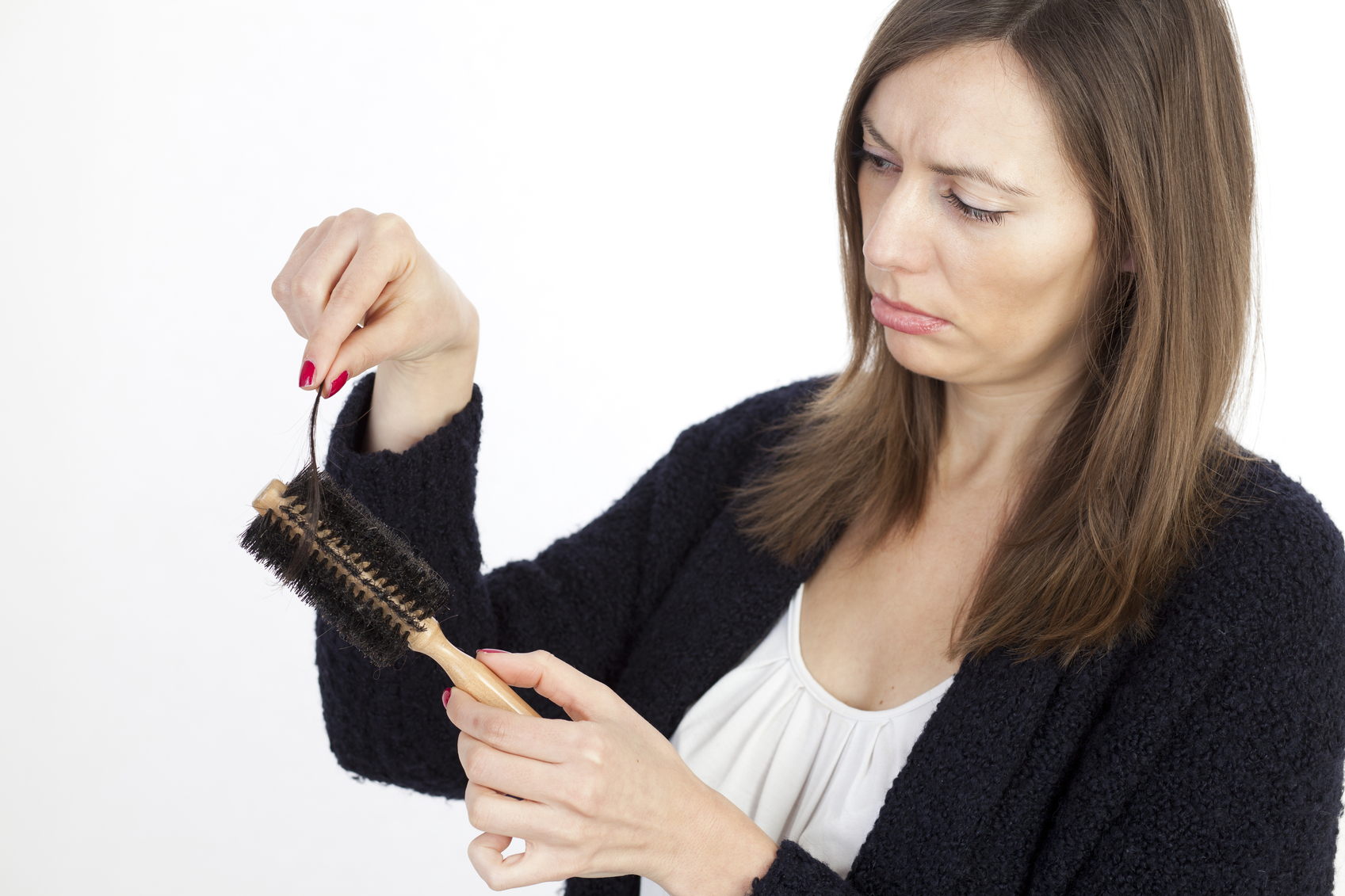
If that's the case, taking a biotin supplement can help restore the vitamin B levels your body needs to combat hair loss. That said, there's no point in adding biotin into your routine unless you actually need it, so check with a doctor before you go all in with it. While Dr. Marmur confirms that hair can grow back after menopause, she notes that that likely won't be the case if you don't do anything to deal with it. She says that staying on top of your vitamin and hormone levels and opting for treatments, like PRP, are the best ways to nurse your hair back to health.
Can Cold Water Swimming Help With Hot Flashes and Other Menopause Symptoms?
And in severe cases of menopausal hair loss, a hair transplant can be a pricey but permanent solution. Rogaine, which contains the active ingredient minoxidil, is an over-the-counter hair loss treatment designed to treat male pattern baldness. So, they should be used as a last resort, under the close supervision of your health care provider.
Special Health Reports
When you wash your hair, always use a nourishing conditioner to keep your scalp healthy and promote healthy hair growth. This is a way to see if hormonal changes during menopause have caused the hair follicles to shrink, which can cause hair loss. A scalp biopsy can also help determine or rule out any skin conditions that may be causing hair loss.
Hair loss in a post-menopausal woman with diabetes - Clinical Advisor
Hair loss in a post-menopausal woman with diabetes.
Posted: Tue, 30 Jan 2024 06:51:51 GMT [source]
Everything You Need To Know About Menopause and Hair Loss, According to Dermatologists, Trichologists, and Hairstylists - Well+Good
Everything You Need To Know About Menopause and Hair Loss, According to Dermatologists, Trichologists, and Hairstylists.
Posted: Mon, 23 Oct 2023 07:00:00 GMT [source]
“Other treatments to try include red light therapy, which is amazing, and in-clinic microneedling—especially when paired with growth factor serums, which can help stimulate hair growth,” says Reavey. During the transition to menopause there is typically a hormonal shift as the ovaries decrease the levels of hormones they produce. The decrease of estrogen and progesterone can increase the relative percentage of testosterone creating a higher level of Androgens, even though testosterone also generally decreases.
When someone enters menopause, their estrogen and progesterone levels begin to drop—both of which are major players in hair growth. Androgens also increase during menopause, which can shrink the hair follicle, leading to thinning. The years leading up to and after menopause are characterized by dramatic shifts in levels of female sex hormones. Though research specifically into menopausal hair loss is sparse, the hormonal changes are believed to contribute to changes in hair growth and texture as well as in scalp texture, Dr. Khetarpal said.
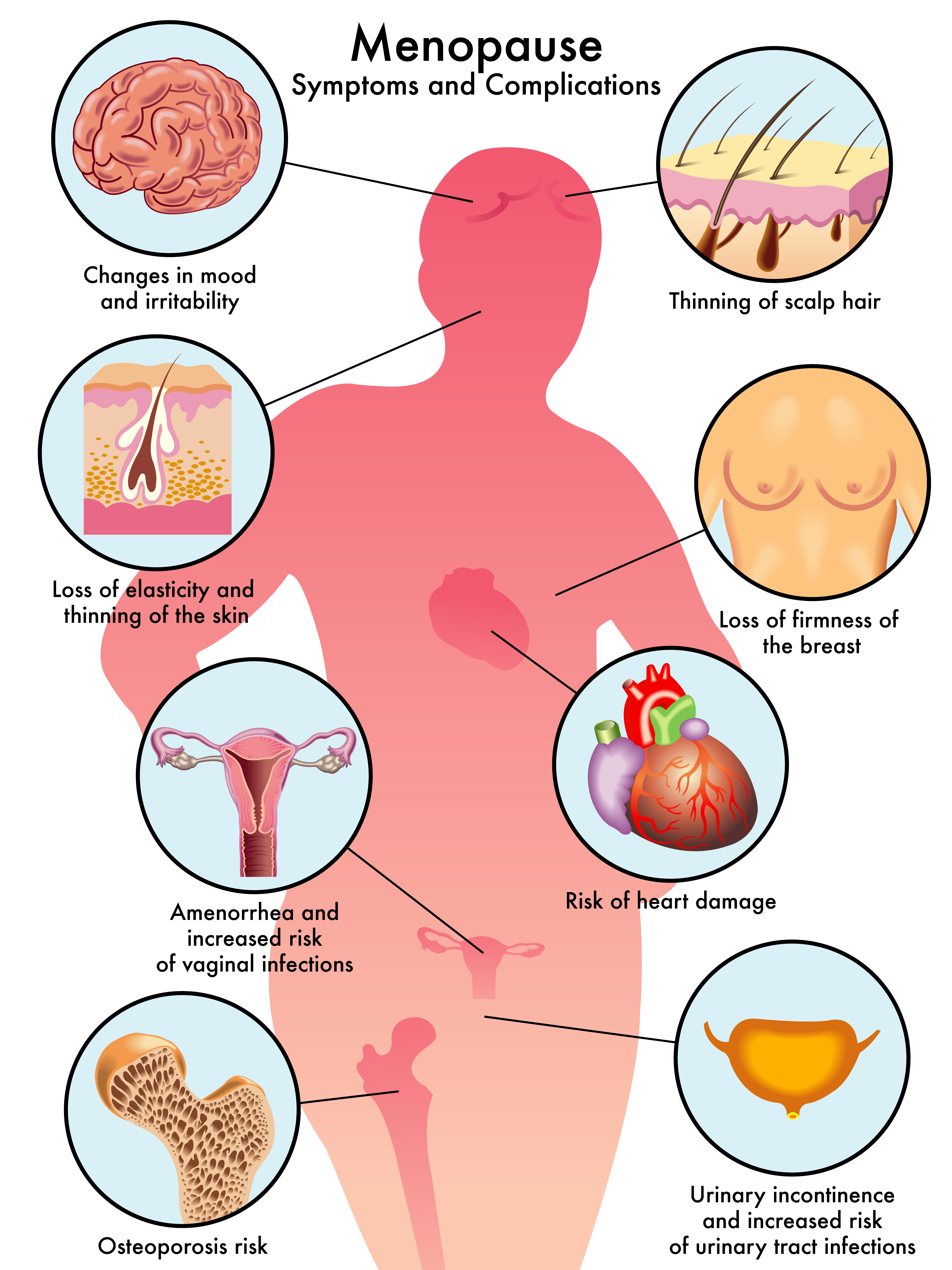
When your menstrual cycle has stopped for an entire year, you’re officially in menopause—and those less desirable hair changes may be permanent. To get to the root of these hormonal hair shifts, we asked experts—some of whom have experienced these changes firsthand—to break down exactly what’s happening and recommend ways to combat it. Alongside lifestyle modification and medication, several treatments can minimize hair loss. In some cases, it can even reverse it.Micro-needling is a technique often used for treating wrinkles and scars.
The thinning can occur on the front, sides, or top of the head. Hair may also fall out in large clumps during brushing and showering. Menopause is a natural biological process that all women experience at some point in their lives. During this time, the body goes through numerous physical changes as it adjusts to fluctuating hormone levels.
Topical treatments can help keep hair in the growth phase longer. “If you’re losing more than 100 hairs per day, using a product with 5 percent topical minoxidil for women can help reduce the rate of hair loss,” Kunin says. Research has also put a spotlight on LED therapy, in particular red light.
This information is not intended as a substitute for the advice provided by your physician or other healthcare professional. If you have or suspect that you have a medical problem, contact your health care provider promptly. Do not disregard professional medical advice or delay in seeking professional advice because of something you have read on this web site. The use of any information provided on this web site is solely at your own risk. Nothing stated or posted on this web site or available through any services offered by Dr. Jolene Brighten, ND and Brighten Wellness, LLC, are intended to be, and must not be taken to be, the practice of medicine.
Put simply, the scalp microbiome is the community of micro-organisms that reside on your head. “Women with androgenetic alopecia will usually experience gradual thinning of the hair, typically on the top of the scalp and some women notice their hairline receding,” she said. “Traction alopecia is a type of hair loss caused by prolonged pulling or tension on the hair follicles. This often happens when hairstyles like tight ponytails, braids, or extensions are worn regularly. Any type of hair thinning can feel particularly worrying, especially if the reason behind it is unknown, therefore it’s important to understand what might be causing the issue. Dr Bhavini Shah from LloydsPharmacy Online Doctor explains eight possible causes of thinning hair in women.
Currently CR Labs and Capillus are among the brands following the correct light therapy protocols. This therapy can only be effective under strict parameters so be very careful when considering your purchase. If you’re bothered by your thinning hair or hair loss, a visit to your primary care doctor is a great place to start, says Bruce.
“Estrogen directly promotes hair growth [on the scalp], but also helps reduce testosterone in the body by converting it to estrogen,” she explains. She adds that progesterone, another hormone, reduces the production of testosterone and blocks conversion of testosterone to a form known as DHT that works on hair follicles. “During menopause, hormonal changes, specifically a decrease in oestrogen levels, can affect hair growth cycles. This often leads to thinning of the hair, particularly at the crown and along the parting line. As part of a treatment plan, she first has clients do a thorough blood panel.
Hereditary hair loss with age is the most common cause of baldness. Some people prefer to let their hair loss run its course untreated and unhidden. Others may cover it up with hairstyles, makeup, hats or scarves.
And still others choose one of the treatments available to prevent further hair loss or restore growth. During menopause, those hormones can also be thrown out of whack, possibly leading to an increasingly dry and flaky scalp and more brittle hair. Furthermore, improper scalp and hair care and wear and tear can also lead to the deterioration of hair fibers over time, leading to hair loss. Spironolactone, a blood pressure medication that is a diuretic (a drug that increases the production of urine) can prevent hair loss from worsening and restore hair growth, according to the AAD. Other drugs block the effects of circulating androgens or lower androgen levels. Because the skin and hair follicles require so much nutrition, a nutrient-dense, balanced diet is the foundation of hair health.



No comments:
Post a Comment